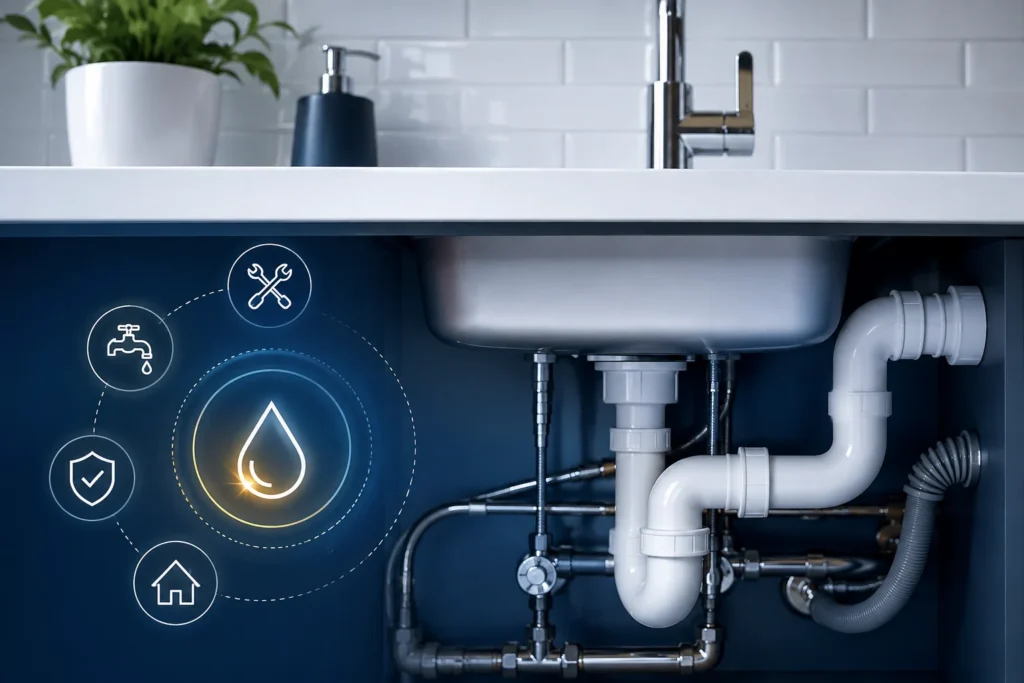
Plumbing problems can be frustrating, inconvenient, and expensive when they are not addressed early. The good news is that many common plumbing issues can be prevented with regular maintenance and a few simple habits.
1. Avoid Putting Grease Down the Drain
Grease and cooking oil can stick to the inside of pipes and eventually cause blockages. Instead of pouring grease into the sink, allow it to cool and dispose of it in the trash.
2. Use Drain Screens
Hair, soap, food particles, and other debris can easily enter drains and create clogs. Installing drain screens in kitchen and bathroom sinks, showers, and tubs can help prevent unwanted materials from entering your plumbing system.
3. Don’t Flush Everything Down the Toilet
Toilets are designed to handle human waste and toilet paper. Items such as paper towels, wipes, cotton products, and sanitary products can cause serious blockages.
Even products labeled as flushable may contribute to plumbing problems, so it is generally safer to dispose of them in the trash.
4. Fix Leaking Faucets Quickly
A small dripping faucet may not seem important, but a persistent leak wastes water and can indicate a worn or damaged component. Repairing leaks promptly can help reduce water waste and prevent the problem from getting worse.
5. Check Under Sinks Regularly
Take a few minutes every month to inspect the areas underneath your sinks. Look for moisture, dripping pipes, water stains, or signs of corrosion.
Finding a small leak early can help prevent damage to cabinets, floors, and surrounding areas.
6. Maintain Your Water Heater
Regular water heater maintenance can help improve performance and extend the life of the unit. Check for signs of leakage, unusual noises, or inconsistent water temperature.
If you notice a significant problem, contact a qualified plumber rather than attempting a complicated repair yourself.
7. Know Where Your Main Water Shut-Off Valve Is
Every homeowner should know the location of the property’s main water shut-off valve. If a pipe suddenly bursts or a major leak occurs, shutting off the water quickly can help limit water damage.
Make sure everyone in the household knows where the valve is located and how to operate it.
8. Schedule Professional Plumbing Inspections
Some plumbing problems develop inside walls, beneath floors, or underground and may not be immediately visible. Professional inspections can help identify potential issues before they become major emergencies.
Final Thoughts
Preventive plumbing maintenance doesn’t have to be complicated. Simple habits such as protecting your drains, fixing leaks, checking pipes, and scheduling professional inspections can help keep your plumbing system in good condition.
Taking care of small plumbing issues early can save time, reduce water waste, and help prevent costly repairs in the future.